

sandblasted privacy glass
The Utility and Significance of a Ruler with a Right Angle In the world of design, construction, and woodworking, precision is paramount. Among the tools that facilitate this precision, the ruler with a right angle stands out as an essential instrument. This tool, also known as a carpenter's square or framing square, is not only a simple measuring device but also a critical component in ensuring accuracy in various projects. This article explores the utility, significance, and applications of a ruler with a right angle in different fields. The Utility and Significance of a Ruler with a Right Angle One of the primary uses of a ruler with a right angle is in layout work. In woodworking, for instance, ensuring that joints fit perfectly requires careful measurement and angles. By using this tool, craftsmen can mark out precise points and create perfect angles for cuts—vital for everything from framing walls to building cabinets. Without the accuracy provided by a right-angle ruler, even the smallest mistakes can lead to significant structural issues later in the building process. ruler with right angle In architecture, the right angle is crucial in ensuring not only aesthetic appeal but also the integrity of a structure. Buildings are designed with specific geometrical shapes where right angles are fundamental. An architect uses the ruler to draft plans that adhere to the principles of balance and stability. Each right angle contributes to the overall strength of the building, ensuring it can withstand various stresses and loads over time. Moreover, the significance of a ruler with a right angle extends beyond construction and architecture. In fields like graphic design and art, artists utilize this tool to maintain proportions and symmetry in their work. When creating layouts or designing logos, having the ability to draw right angles helps ensure that elements are aligned and visually appealing. This precision is key in delivering a polished final product. Another important aspect of the ruler with a right angle is its role in educational environments, particularly in teaching mathematics and geometry. Students learn the importance of angles through practical applications using this tool. By physically measuring and constructing angles, learners gain a deeper appreciation for geometric principles and develop essential skills that will serve them in various professions. In conclusion, a ruler with a right angle is an indispensable tool across multiple fields, from woodworking and architecture to graphic design and education. Its ability to ensure accuracy and quality in measurements plays a pivotal role in the success of numerous projects. Whether one is a professional tradesperson or a novice DIYer, understanding how to effectively use this tool can enhance not only the quality of their work but also their overall experience in the craft. In a world where precision matters, a ruler with a right angle remains a trusted companion, guiding users to create functional and aesthetically pleasing designs. Thus, its utility extends beyond mere measurement—it embodies the principles of accuracy, craftsmanship, and creativity.
about
sandblasted privacy glass
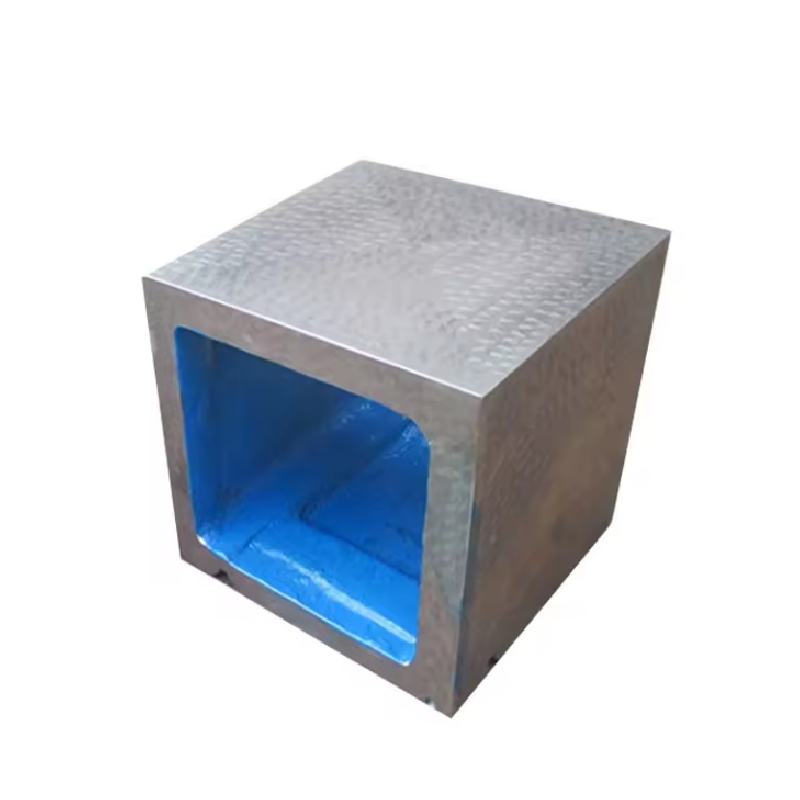
Understanding Metal Fabrication Tables A Key to Precision in Manufacturing In the world of metal fabrication, efficiency and precision are paramount. For professionals in this field, the tools and equipment used can significantly influence the quality of the final product. One often overlooked yet critical piece of equipment is the metal fabrication table. These tables are designed to provide a sturdy and reliable workspace, assisting in various processes such as cutting, welding, and assembling metal components. This article delves into the significance of metal fabrication tables, their features, and their impact on the manufacturing process. The Importance of Metal Fabrication Tables Metal fabrication tables serve as the foundation for many processes in metalworking. Their primary purpose is to offer a flat, stable surface that allows for accurate alignments and measurements. A high-quality fabrication table helps ensure that components fit together seamlessly, which is vital for producing high-quality finished products. Moreover, these tables are not just mere work surfaces; they are engineered for versatility. They can accommodate various tasks, including welding, grinding, and machining, depending on the specific requirements of a project. This adaptability makes them an indispensable asset in any fabrication shop. Key Features of Metal Fabrication Tables When considering the purchase of a metal fabrication table, several key features should be taken into account 1. Material Most fabrication tables are constructed from heavy-duty steel or aluminum. Steel tables are known for their robustness and durability, while aluminum tables are lighter and easier to move, making them suitable for various applications. 2. Surface Finish The surface of the table plays a crucial role in maintaining the quality of the work. Many tables come with a flat and smooth finish, which reduces friction when sliding materials across the surface. metal fab table 3. Load Capacity Depending on the types of projects a workshop handles, the load capacity of a table can vary significantly. Heavy-duty tables can support substantial weights, making them suitable for large metal pieces that require significant handling. 4. Modular Design Many modern fabrication tables feature a modular design, allowing users to customize their setup. This includes adjustable heights, interchangeable surfaces, and the ability to add attachments, like vises and clamps. 5. Clamping Systems Effective clamping systems are essential for holding metal pieces in place during the fabrication process. Fabrication tables often come with built-in clamping features or packages that allow for secure attachment of materials. Impact on the Manufacturing Process The introduction of metal fabrication tables has transformed the manufacturing landscape. A well-designed table can enhance workflow efficiency, reduce the risk of errors, and improve worker safety. By providing a stable and secure platform, these tables minimize the likelihood of accidents and enhance the overall ergonomic conditions. Additionally, with the rise of automation in metal fabrication, tables that integrate with CNC machines are becoming increasingly common. These advanced tables can facilitate smoother transitions between manual and automated operations, leading to increased productivity. Conclusion In conclusion, metal fabrication tables are an essential component of the metalworking industry. Their robust design, versatility, and features tailored to the needs of fabricators make them invaluable in producing high-quality metal products. By investing in a reliable fabrication table, manufacturers can ensure greater precision in their work, ultimately leading to better overall results. As technology continues to evolve, we can anticipate further innovations in fabrication table design, enhancing their functionality and efficiency even more. For anyone in the metal fabrication industry, understanding and selecting the right table is crucial to maintaining a competitive edge in today’s market.
-

High quality industrial productsagement

High quality industrial products
View Details -

Meet the diverse needs of customers

Meet the diverse needs of customers
View Details -

Strict quality control

Strict quality control
View Details -

Top raw materials

Top raw materials
View Details -

Trusted supplier

Trusted supplier
View Details
Our application


news and information
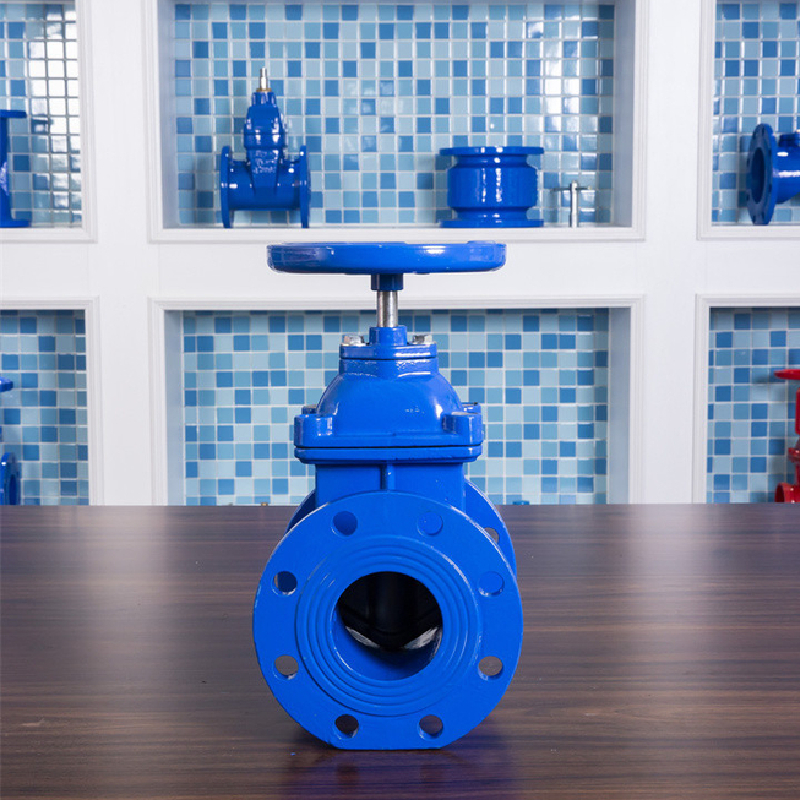
Valvole a farfalla da 14% per applicazioni industriali e soluzioni innovative.
14 gate valve .

v bloková cena
V současné době se v oblasti kryptoměn stále více hovoří o různých aspektech cen a jejich vlivu na t
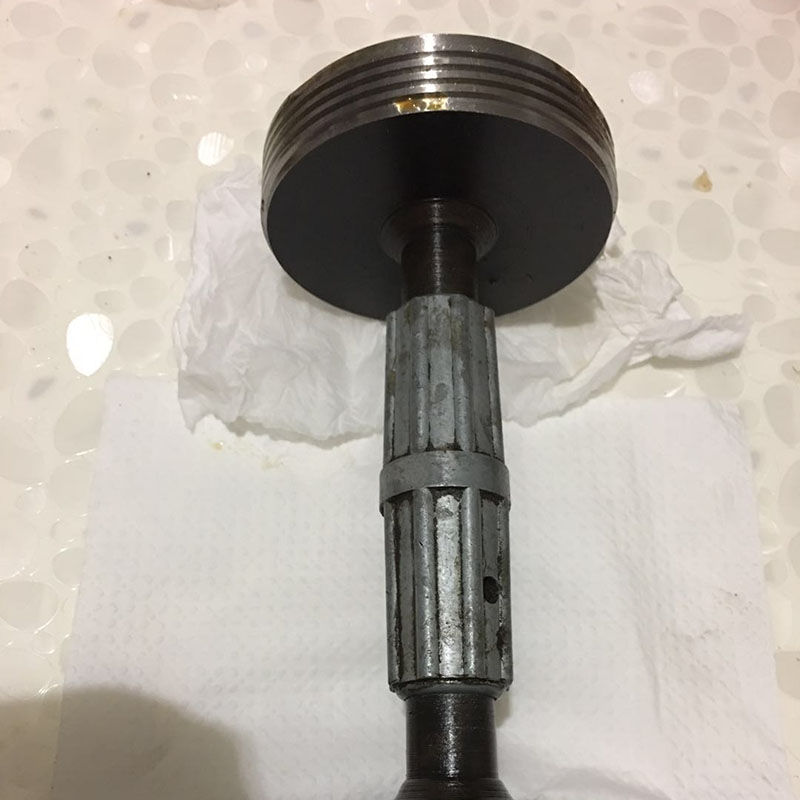
Water Hose Shutoff Valve for Efficient Water Control and Usage Management
The Importance of a Water Hose Shut-Off Valve When it comes to managing water flow in your garden or
 English